
StateScoop: UT San Antonio gets CISA grant to develop high-value asset cybersecurity
(March 9, 2021) — The Cybersecurity and Infrastructure Security Agency on Monday announced a $1.2 million grant to a think tank at University of Texas at San Antonio that will launch a pilot program to help state and local governments improve the cyber defenses of their most critical systems.
Senate Passes Cornyn Bill to Enhance Cybersecurity Programs at UTSA, A&M
(November 22, 2019) — U.S. Senator John Cornyn (R-TX) released the following statement after the National Cybersecurity Preparedness Consortium Act, legislation that would authorize the U.S. Department of Homeland Security to work with the National Cybersecurity Preparedness Consortium (NCPC) to help prepare for and respond to cybersecurity risks at the national, state, and local levels, passed the Senate.

Online Gaming Tips for Parents
BLOG — No matter how old your child may be, there are some common sense best practices, as well as steps you can take, to help the players in your home enjoy playing online games in a safe and cyber-secure environment. To help you navigate the online gaming world, consider the following tips before and after your child begins to play a game online.

Six (Easy) Cyber Security Tips for Travelers
BLOG – Before your family begins to plan out your travel games and scenic views in favor of their favorite electronic pastime, make sure you, your friends and family are prepped and ready to travel. And no, this doesn’t simply mean making sure the car’s oil has been changed or everyone’s passports are current.
Take a few minutes to read our top six cyber security tips for travelers. It’s easier than you think to be a cyber secure traveler today.
Hackers can Hijack Your Home with these 10 Smart Devices
BLOG — The Internet is full of stories of cybercriminals invading a home by hijacking its smart devices. You’re probably familiar with some of these devices, such as smart thermostats, smart speakers and Web cams. But have you thought about that fancy new refrigerator you just purchased, or your light bulbs? To help you navigate some common – and often forgotten – smart devices in your home, we’ve compiled 10 Internet of Things (IoT) devices that hackers can hijack.
UTSA receives $1.2 million CISA grant to develop Pilot Program for SLTT Governments
The Cybersecurity and Infrastructure Security Agency (CISA) has awarded the Center for Infrastructure Assurance and Security (CIAS) at The University of Texas at San Antonio (UTSA) a $1.2 million grant to conduct a pilot program to help state, local, tribal and territorial governments identify high value assets (HVA) in order to prioritize resources and planning. The pilot will aid these governments in establishing an HVA program that aligns with the federal government’s while maintaining the flexibility needed to incorporate their individual needs.
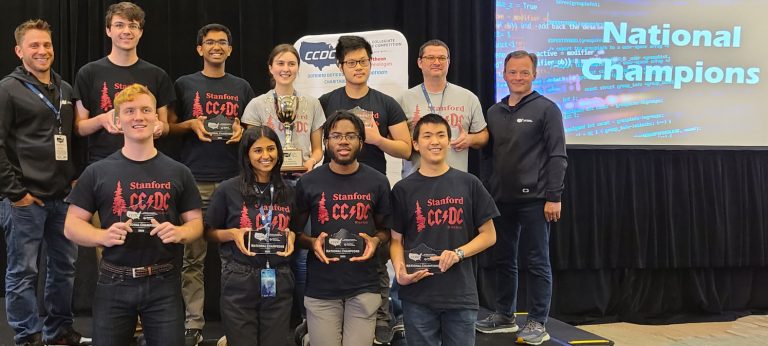
Stanford University wins 2023 National Collegiate Cyber Defense Competition
18th annual competition trains next generation of cybersecurity professionals DALLAS (May 1, 2023) – Stanford University competed against nine other student-led teams to become champion
UTSA awarded $500K grant from Google to expand CIAS cybersecurity clinic
The UTSA Center for Infrastructure Assurance and Security (CIAS) received a $500,000 grant from Google’s Cybersecurity Clinics Fund to grow the UTSA/CIAS Cyber Clinic. The clinic is a long-term initiative focused on strengthening cybersecurity knowledge among UTSA students and the community at large by hosting on-campus classes and workshops at the offices of local organizations.

Incident Response – Lessons to be Better Prepared
BLOG — Incident response addresses the question: “How well did you prepare?” Your response to that question is directly related to your preparation. This supports the adage that an ounce of prevention is worth a pound of cure—or response. This article takes a look at five basic lessons to consider when mitigating incidents to help you prepare and prevent a potential cyber incident.